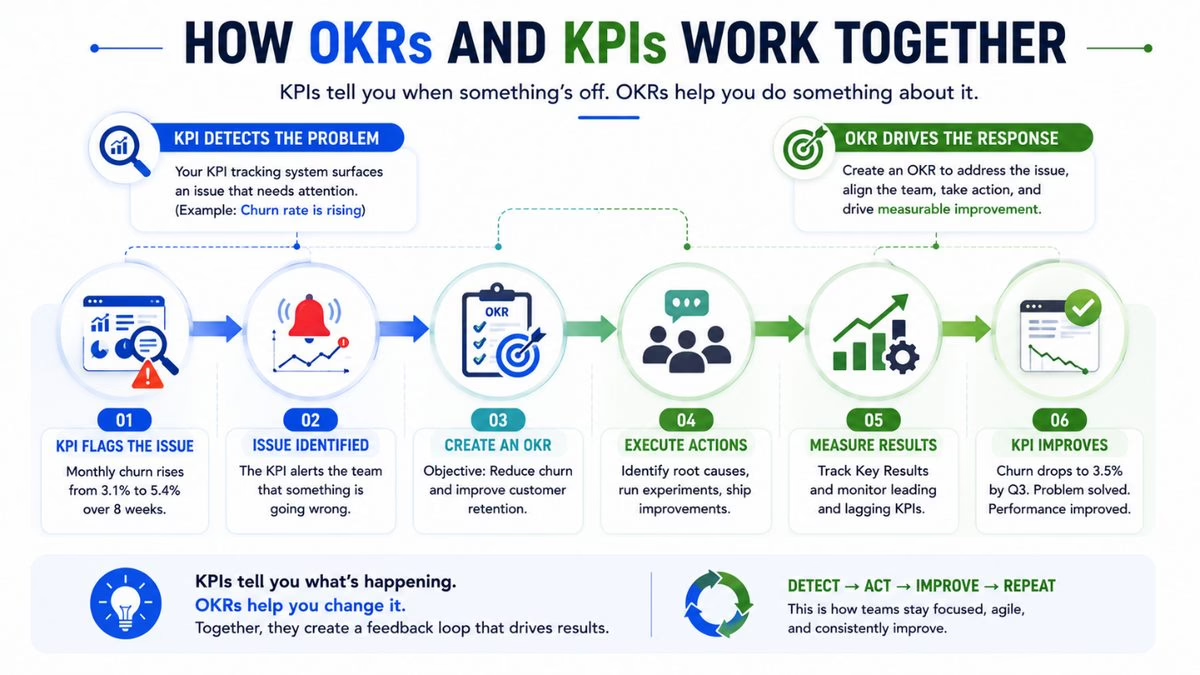
Picture this: a Monday planning call. Someone says, “let’s make retention a KPI this quarter.” Everyone nods. Three months later, there’s a number on a dashboard – and retention is still sliding. The number never told anyone to act.
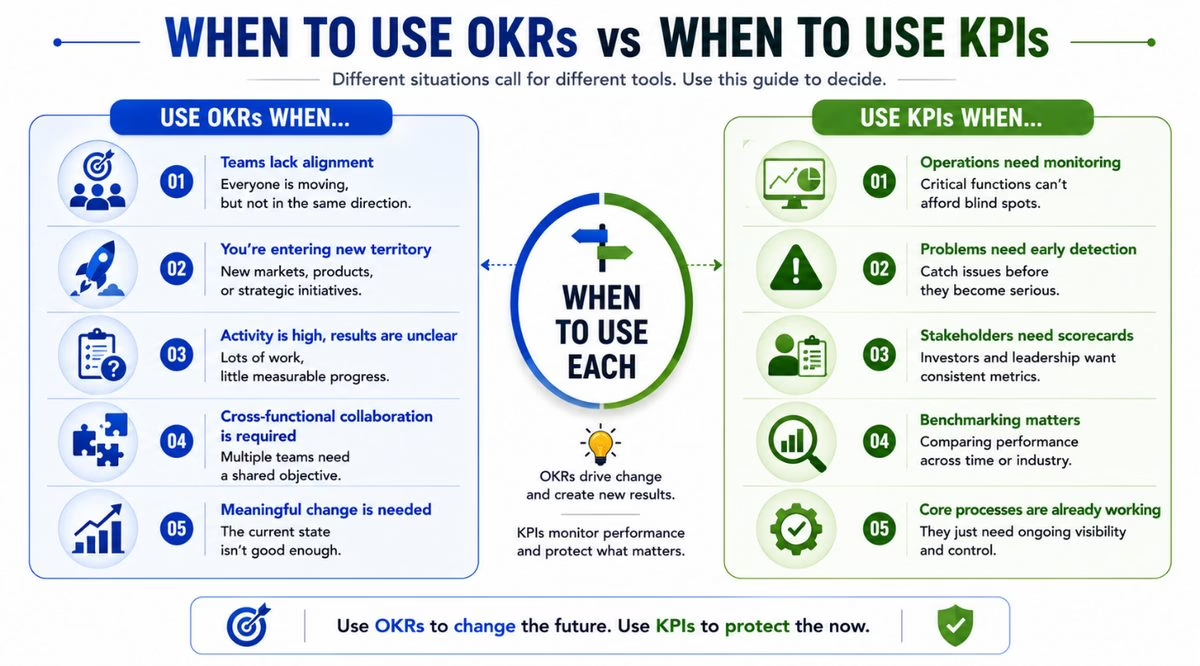
That’s the OKR vs KPI problem in real life – two very different tools confused for each other, and nobody caught it until the quarter was over.
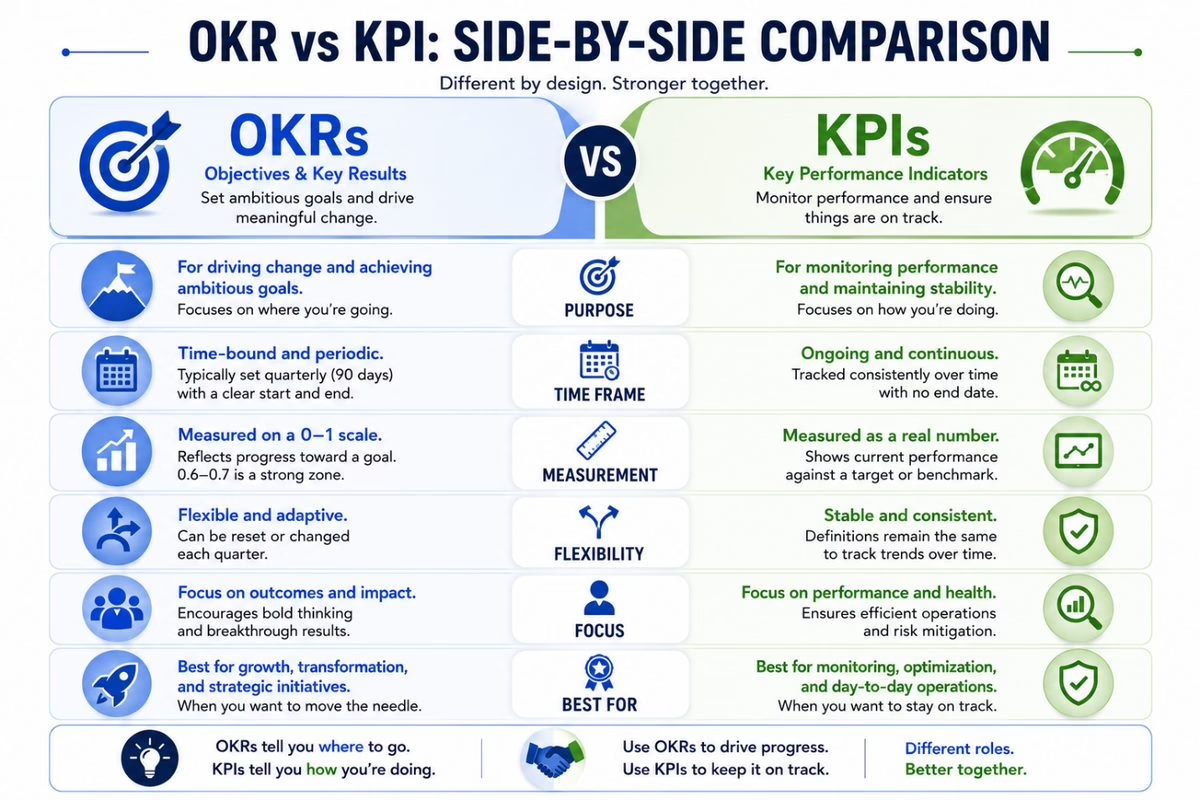
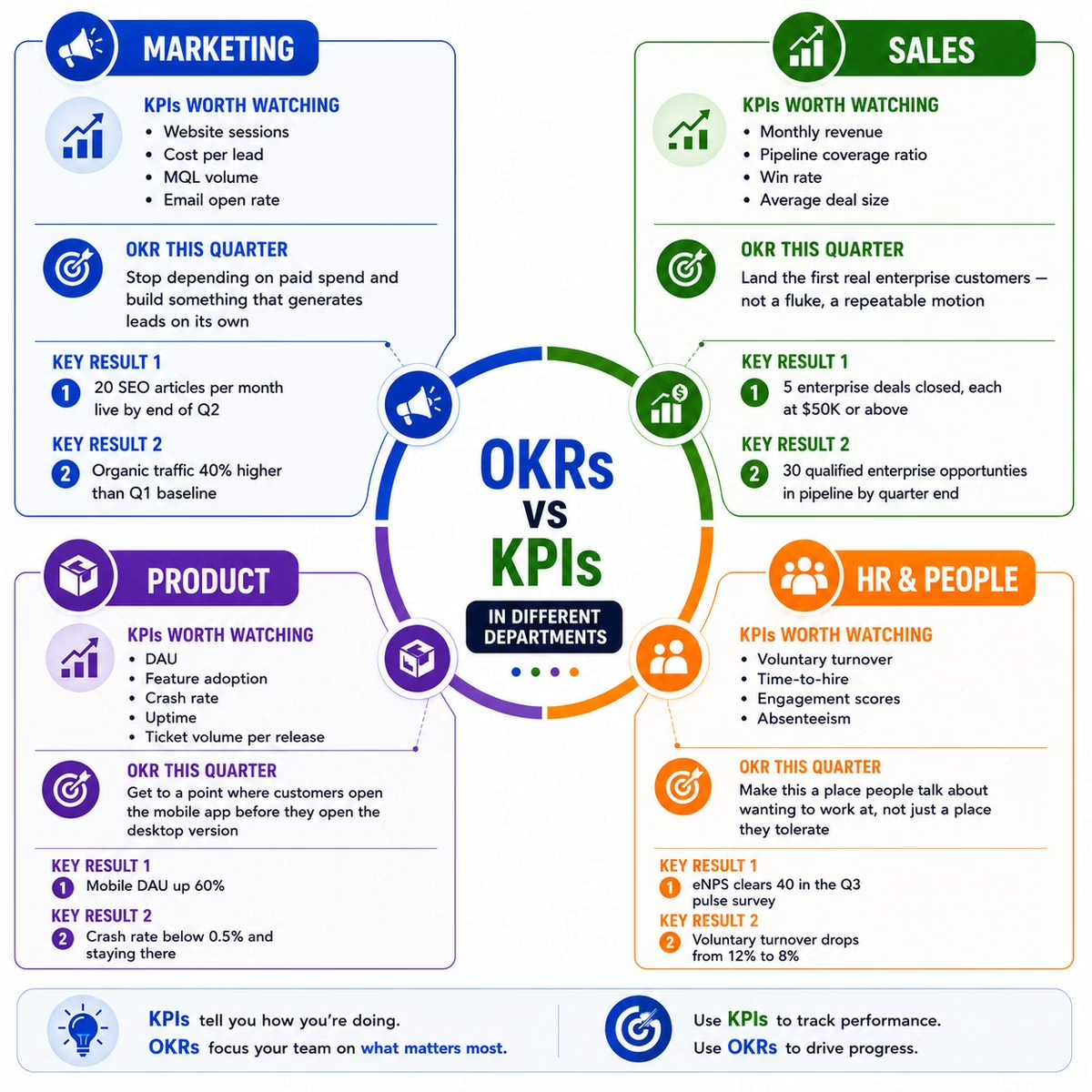
Both matter. Neither replaces the other. The difference between OKR and KPI is the kind of thing that causes real problems when teams get it wrong. This piece is about getting it right.
What is an OKR?
OKR stands for Objectives and Key Results, and the name does most of the explaining. The tricky part is how the two halves play off each other – the Objective is your destination, the Key Results are proof you arrived.
Two questions drive the whole goal tracking mechanic: what are we going after, and what’s our proof we got there.
Breaking it down:
- Objective: Qualitative. Directional. Should feel like something worth chasing – not a KPI target dressed up with different language. Think vision, not metric.
- Key Results: These need to be measurable and time bound. A vague Key Result is really just a wish – the real ones come with numbers and deadlines attached.
A quick example:
- Objective: Turn onboarding into something new customers genuinely talk about afterward
- Key Result 1: Push onboarding completion from 60% up to 85% before the Q3 deadline hits
- Key Result 2: First value moment cut from 14 days to 7
- Key Result 3: Post-onboarding NPS clears 50
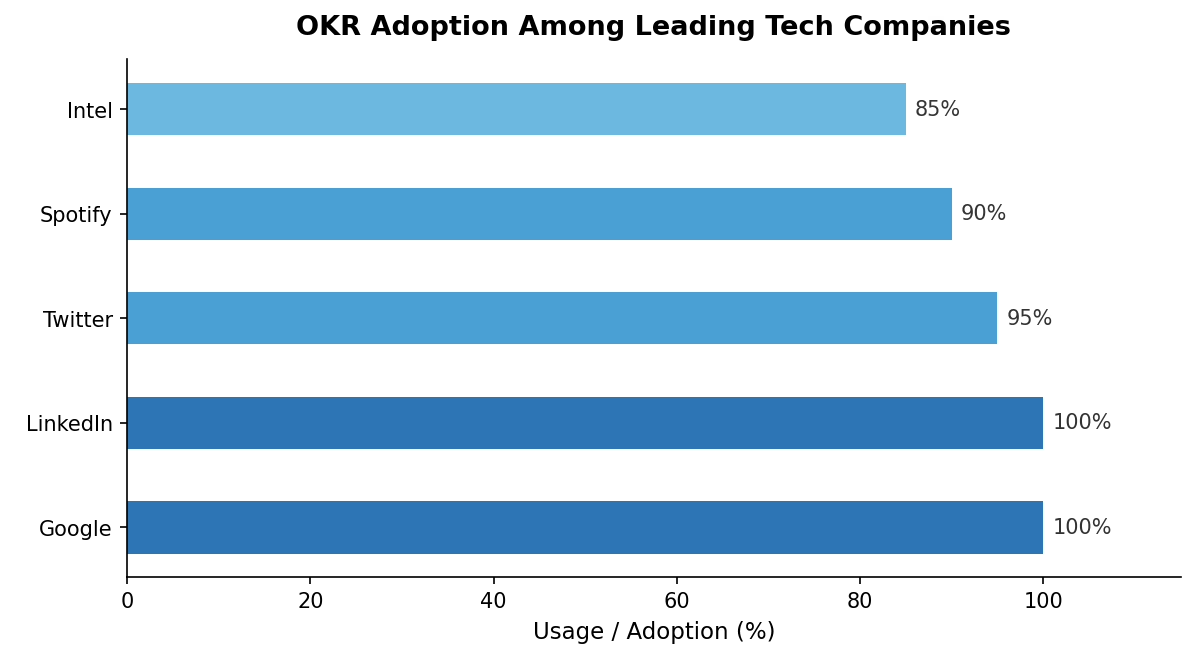
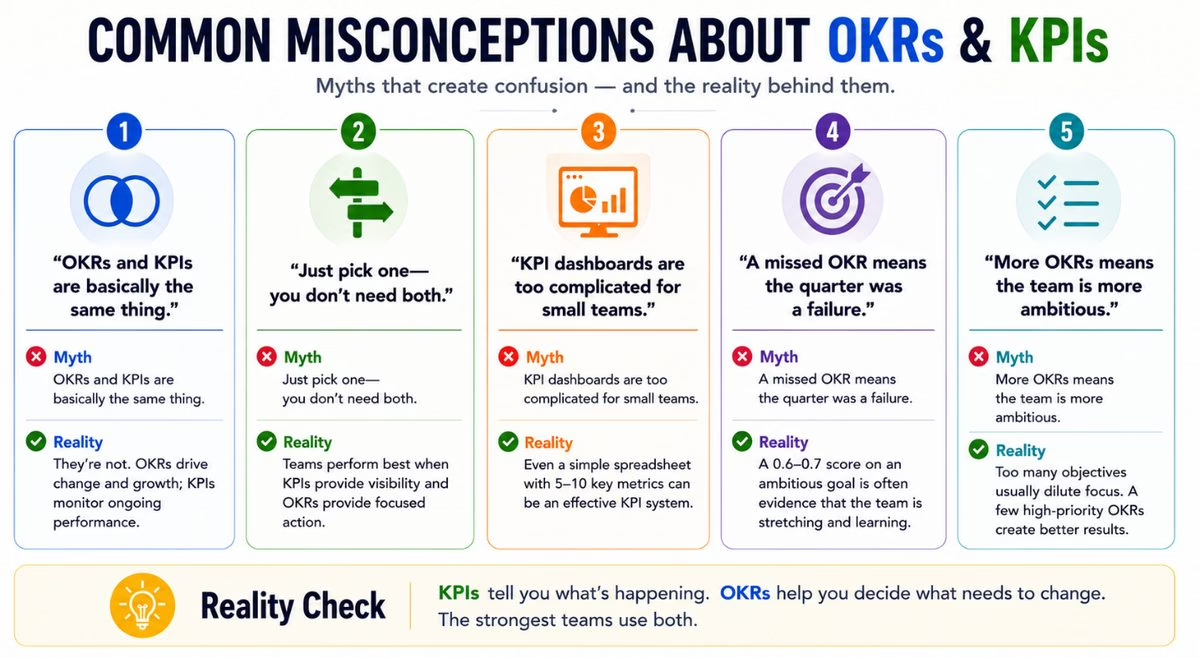
Andy Grove built the OKR framework at Intel, then John Doerr brought it to Google in 1999 – where it became foundational to how the company scaled. One counterintuitive note: a score of 1.0 every quarter can mean targets weren’t hard enough. Teams genuinely stretching tend to land between 0.6 and 0.7.